


Do I Need a Penetration Test? 9 Signs the Answer Is Yes



Quick answer: You probably need a penetration test if you handle sensitive or regulated data, sell to enterprise customers, are preparing for a PCI DSS, SOC 2, ISO 27001, HITRUST or HIPAA assessment, apply for cyber insurance, launch a new application or make major infrastructure changes. As a baseline, test at least once a year and after significant change.
"Do I need a penetration test?" is one of the first questions growing companies ask about security, and the honest answer is "it depends on three things": what rules apply to you, what your customers expect and how much risk your systems carry. Some businesses are required to test. Others are asked to test by a customer or insurer. Others should test because an exposed system is simply too important to leave unchecked.
This guide walks through nine situations that make a pen test necessary, what to do if none of them apply yet, and how to start without overspending. If you already know you need testing, our penetration testing services page explains how Privaxi scopes and delivers it.
What a Penetration Test Is (and Isn't)
A penetration test is an authorized simulated attack against your systems, carried out by security professionals who try to find and exploit weaknesses before a real attacker does. It is different from a vulnerability scan, which is an automated list of known issues. A scan tells you what might be wrong. A pen test shows what an attacker could actually do with it. Our article on penetration testing in 2026: what it is, what it isn't covers the difference in detail.
9 Signs You Need a Penetration Test
1. A compliance framework or regulation expects it
This is the clearest answer to do I need a penetration test. Some frameworks name testing directly, and others rely on it as evidence:
Always confirm the exact wording of the current standard with your assessor. We cover this in more detail for PCI DSS 11.4 and SOC 2.
2. A customer has asked for one
Enterprise procurement teams routinely include "Provide your latest penetration test summary" in security questionnaires. If you have received that request, or are about to sell to larger customers, you need a customer-required penetration test, and ideally a report you can share without exposing every technical detail.
3. You are preparing for an audit
Running a pen test before an audit gives you time to fix findings, retest and walk into the assessment with a clean evidence trail. Testing after the audit window opens leaves you explaining open issues instead of showing closed ones.
4. You are applying for or renewing cyber insurance
Underwriters increasingly ask about security testing, multi-factor authentication, backups and incident response. A recent penetration test for cyber insurance purposes can support your application and, in some cases, your premium negotiations. Requirements vary by carrier, so check the application questions.
5. You are launching or changing an application
New customer-facing applications, major releases, new authentication flows and new APIs all change your attack surface. Testing before launch is cheaper than fixing a breach after it. Our guide to web application and API testing scope explains what to include.
6. You have made significant infrastructure changes
Cloud migrations, new network segments, acquisitions and new remote access solutions can open paths that no one intended. If your environment looks very different from the last time it was tested, the last report no longer describes your risk.
7. You handle sensitive or regulated data
Payment data, health records, financial information, source code and intellectual property are all attractive to attackers. The more valuable the data, the stronger the case for regular testing.
8. You have never had one
If you have been in business for several years with internet-facing systems and have never had an independent test, you have an unknown. The first test is usually the most valuable because it finds the oldest and most overlooked issues.
9. You have had a security incident or a near miss
After a phishing success, an exposed credential or an incident, testing tells you whether the same path, or a similar one, is still open.
How Often Do You Need a Penetration Test?
The widely used baseline is an annual penetration test, plus additional testing after significant changes. High-change environments, such as SaaS companies that release continuously, often add recurring external testing between annual engagements. A subscription such as penetration testing as a service keeps the external perimeter under regular review and complements a deeper annual test. Our comparison of PTaaS vs traditional penetration testing explains when each fits.
When You Might Not Need a Penetration Test Yet
There are situations where a full penetration test is not the right first step:
- You have no inventory. If you do not know what systems are internet-facing, start with asset discovery and vulnerability scanning, then test.
- Basic hygiene is missing. Unpatched systems, no MFA and default credentials will be found quickly. Fix the obvious issues first so the test spends time on the hard problems.
- Nothing sensitive is exposed. A small marketing site with no customer data carries less risk than a payment portal, although it should still be patched and monitored.
Even then, a lightweight external assessment can be a good starting point. Privaxi offers a free external assessment of one domain through its AI penetration testing program.
Which Type of Penetration Test Do You Need First?
Once you know the answer to do I need a penetration test, the next question is which test. A simple way to choose is to follow the data and the exposure:
- You mainly run a web or mobile product: start with web application and API testing.
- You run servers, VPNs and remote access: start with external network testing.
- You are mostly in AWS, Azure or Google Cloud: add cloud configuration and identity testing. See our cloud penetration testing service.
- You worry about an attacker already inside: add internal network testing.
- You have a compliance deadline: pick the test that maps to the framework, such as PCI segmentation testing or SOC 2 boundary testing.
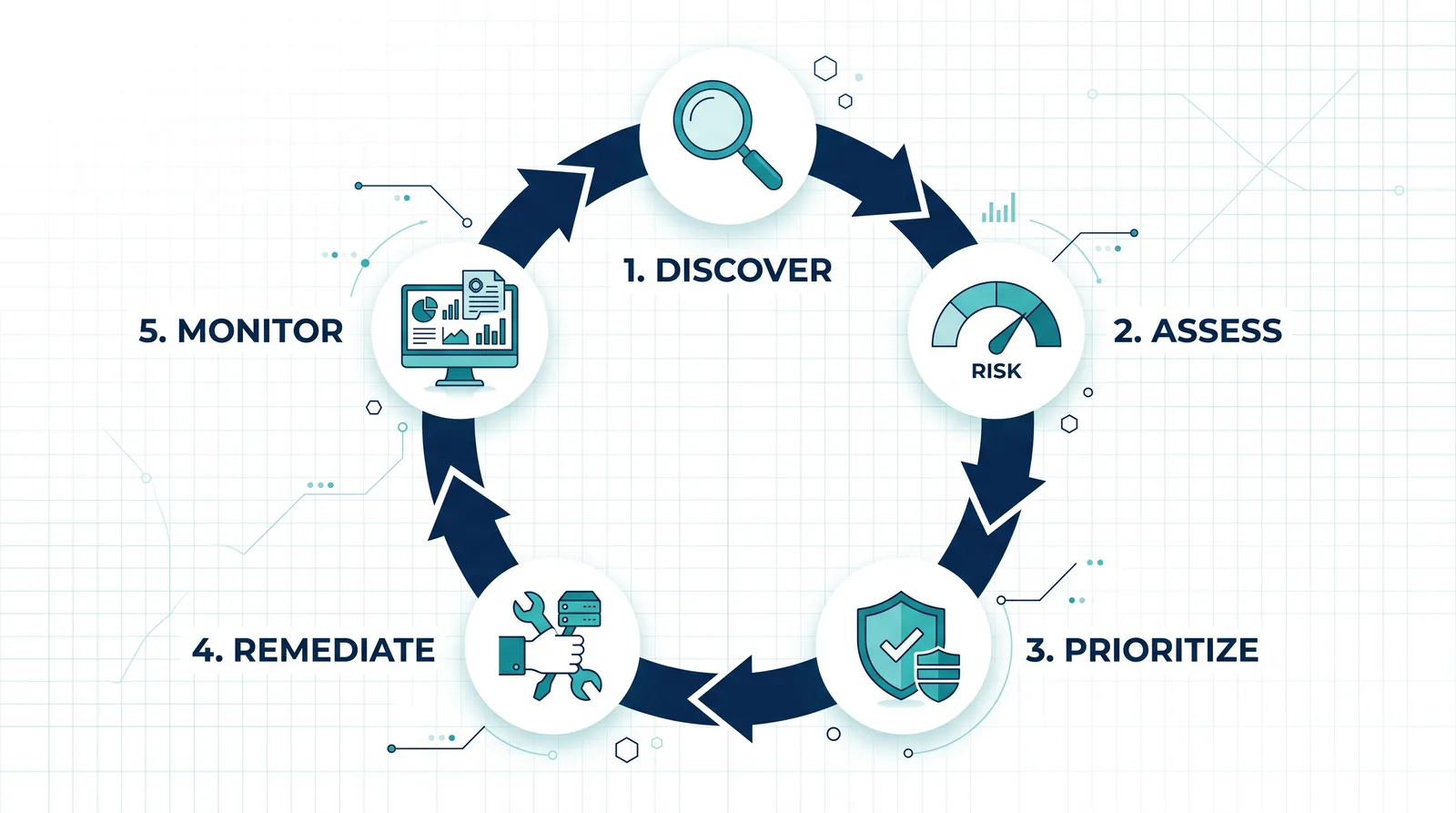
How a Penetration Test Works, Step by Step
- Scoping. You and the testers agree which assets, methods and time windows are in scope and sign rules of engagement.
- Reconnaissance. Testers map your exposed systems, technologies and potential entry points.
- Vulnerability discovery. Automated tools and manual techniques identify weaknesses.
- Exploitation. Testers safely attempt to exploit weaknesses to prove impact, such as accessing data or moving between systems.
- Reporting. You receive a report with findings, evidence, severity ratings and remediation advice.
- Remediation and retest. You fix the issues, and the testers verify that the fixes work.
A typical engagement takes from a few days to a few weeks depending on scope. Reporting and retesting add to that timeline, which is another reason to start before a deadline rather than at it.
Do I Need a Penetration Test? A Quick Guide by Business Type
Common Myths About Needing a Penetration Test
- "We are too small to be a target." Attackers scan the internet automatically. Size does not protect you; exposure does.
- "We have a firewall and antivirus." These are controls, not proof. A pen test checks whether they actually stop an attacker.
- "Our cloud provider handles security." Cloud providers secure the infrastructure, but you are responsible for configuration, identities, data and applications.
- "We passed a vulnerability scan." A clean scan does not show whether weaknesses can be chained into a real compromise.
- "We just did one, so we are done." Testing is a point-in-time check. New code, new hosts and new users change the picture.
What Happens If You Skip Penetration Testing?
- Compliance gaps. A missing test can lead to an audit finding or a delayed certification.
- Lost deals. A questionnaire you cannot answer slows or stops enterprise sales.
- Higher insurance risk. Missing controls can affect eligibility or pricing.
- Unknown exposure. Attackers will test your systems whether you do or not. The only question is who finds the weakness first.
What to Do Before Your First Penetration Test
- List your assets. Domains, IP ranges, applications, APIs and cloud accounts.
- Define your goal. Compliance evidence, customer assurance, pre-launch assurance or general risk reduction.
- Set the scope. Our guide to penetration testing scope explains how.
- Choose a provider. See our checklist for choosing a penetration testing company.
- Understand the budget. Read how much penetration testing costs before requesting quotes.
- Plan remediation and a retest. Decide who fixes findings and when you will verify them.
External exposure is usually the best place to begin because it is where attackers start. Our guide to external penetration testing explains what that test includes.
Frequently Asked Questions
Do I need a penetration test for compliance?
It depends on the framework. PCI DSS requires penetration testing at least annually and after significant change. SOC 2, ISO 27001, HITRUST, HIPAA and CMMC do not all name it explicitly, but auditors commonly expect it as evidence of vulnerability management and risk assessment.
How often should I get a penetration test?
At least once a year and after significant changes to your applications or infrastructure. Fast-changing environments often add recurring external testing between annual tests.
Is a vulnerability scan enough instead of a penetration test?
No. A scan lists known weaknesses, while a penetration test attempts to exploit them and shows real impact. Many frameworks and customers expect both.
Do small businesses need penetration testing?
If a small business handles payment data, health data or customer information, or sells to larger companies that ask for test evidence, then yes. Attackers target small organizations because defenses are often weaker.
Do I need a penetration test for cyber insurance?
Not always, but insurers increasingly ask about security testing. A recent report can strengthen your application. Check your carrier's requirements.
Should I run a penetration test before an audit?
Yes. Testing before the audit window gives you time to remediate, retest and present a clean evidence trail instead of open findings.
Final Thoughts
The simplest way to answer do I need a penetration test is to ask three questions: does a standard or contract expect it, does an exposed system hold something valuable and has anything significant changed since the last test? If any answer is yes, it is time to test.
If you are ready to scope a test, Privaxi's penetration testing services can map the right approach to your compliance goals and budget. Book a scoping call to get started.
Related Articles


Secure Your Business's Future
Contact us today for a personalized consultation and see how we can tailor a security solution that fits your business needs perfectly.
