
Free Penetration Test: What You Get, What You Miss & How to Use One



Quick answer: A free penetration test is usually a limited, often partly automated assessment of one target, most often an external domain or IP. It can reveal exposed services and obvious weaknesses and is a good way to evaluate a provider, but it does not replace a full scoped test and rarely satisfies compliance requirements on its own.
Free offers in security are everywhere: free scans, free assessments, free dark web reports and free pen tests. Some are genuinely useful. Others are lead capture forms with a scanner behind them. Knowing what to expect saves you time and prevents you from treating a free sample as proof of security.
This guide explains what a free penetration test typically includes, what it leaves out, how to judge whether an offer is safe and how to turn the results into a sensible next step. If you want to try one, Privaxi offers a free external pen test powered by CYRIK AI Recon.
What Is a Free Penetration Test?
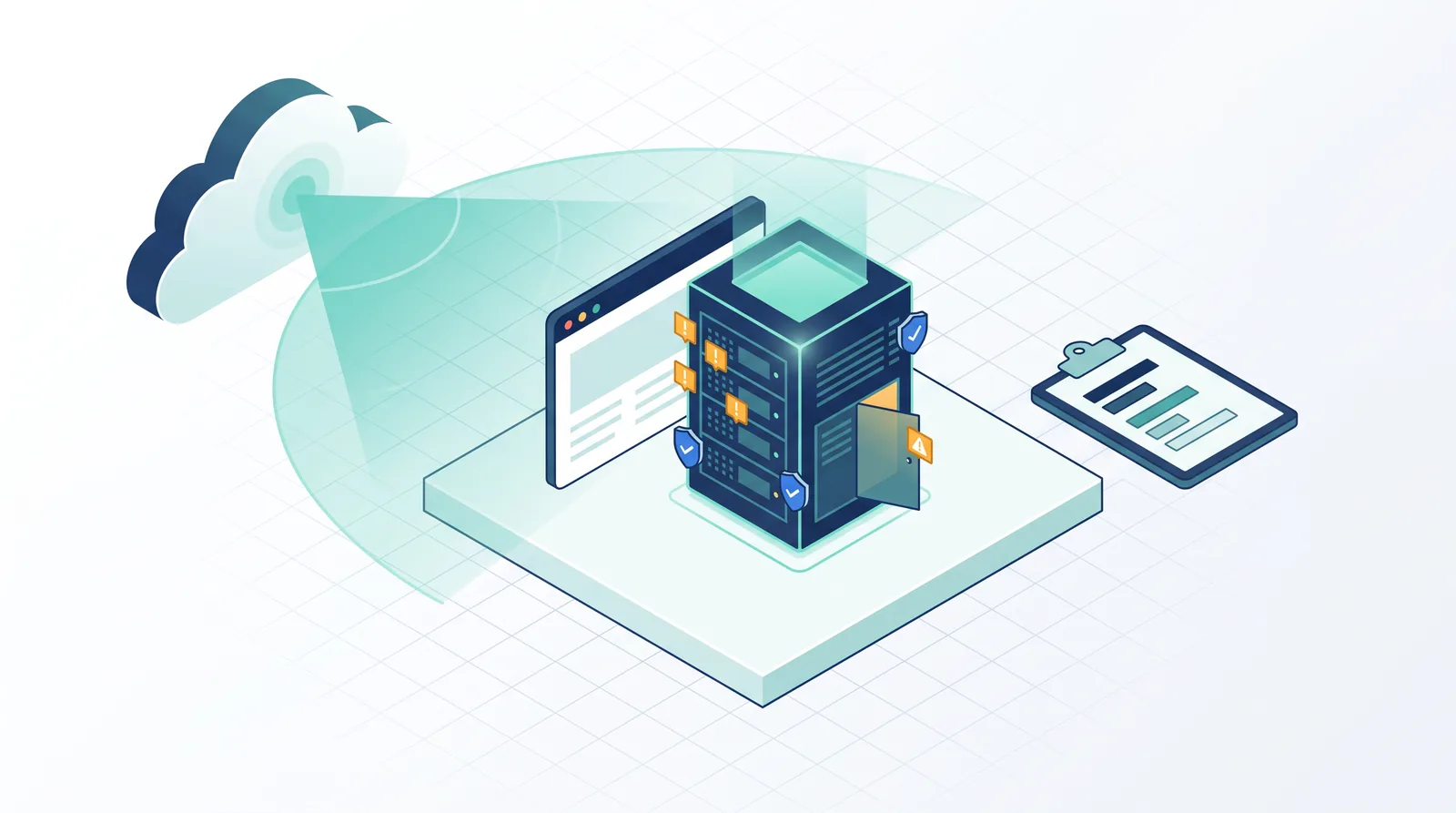
A free pen test is a no-cost, limited-scope security assessment offered by a security provider, typically to demonstrate its approach and start a relationship. The scope is usually narrow, such as one domain or one IP address, and the depth depends heavily on how much automation and how much human review the provider applies.
It is important to separate three things that are often marketed with the same words:
What a Free Penetration Test Usually Covers
- One target, such as a domain, subdomain or IP address.
- External exposure. Open ports, exposed services, outdated software, certificate issues and misconfigurations. See external penetration testing for the full version.
- A summary report with severity-ranked findings.
- Basic remediation guidance.
Privaxi's free offer, for example, covers an external test of one domain, delivered within about a day, with no credit card, domain ownership verification, signed rules of engagement and a live review of the findings. Check the current terms on the page before you request one.
What a Free Penetration Test Usually Does Not Cover
- Authenticated application testing. Logged-in features, roles and business logic. See web application penetration testing.
- Internal networks. What happens after an attacker gets in. See internal penetration testing.
- Cloud configuration depth. Identity, storage and permissions. See AWS penetration testing.
- Multiple assets or full environments.
- Social engineering and physical testing.
- Compliance-grade evidence. Many frameworks need a scoped, documented, independent test. See PCI DSS 11.4 penetration testing and SOC 2 penetration testing requirements.
Is a Free Pen Test Worth It?
Yes, if you treat it as a starting point. A free test is a low-risk way to:
- Find obvious exposure fast, such as forgotten servers, open admin panels or expired certificates.
- Evaluate a provider's reporting and communication before you commit budget.
- Build a business case with concrete findings for leadership.
- Create a baseline to measure improvement.
- Learn how your perimeter looks to an attacker.
It is not worth much if you treat a clean result as a clean bill of health. A limited test that finds nothing only tells you that it found nothing in its limited scope.
How to Tell if a Free Penetration Test Offer Is Safe
- Ownership verification. A legitimate provider asks you to prove you control the domain before testing it.
- Written authorization. Testing without authorization is illegal in many places. Look for rules of engagement.
- Clear scope and limits. The offer should say what is and is not included.
- Data handling. Ask what data is collected, how long it is kept and who can see it.
- Real identity. A named company, real contacts and reviews, not an anonymous form.
- No pressure tactics. A good offer does not demand immediate payment.
Avoid any offer that asks for credentials, administrative access or installing software without a clear explanation. A free offer should never need more than the target and your authorization.
What to Do With Free Penetration Test Results
- Triage by severity. Start with critical and high findings, especially anything exposing admin panels or sensitive data.
- Fix quick wins immediately. Close unneeded ports, patch software, renew certificates.
- Confirm findings. Free tools can produce false positives, so verify before changing production.
- Document the actions in a simple remediation log. See penetration testing remediation.
- Share the summary with leadership to justify a full test.
- Define a paid scope that covers what the free test could not.
From Free Test to Full Engagement
After a free external test, the usual next steps are a scoped external and internal test, application and API testing and recurring testing between annual engagements. Use do I need a penetration test to decide your priorities and penetration testing scope to define boundaries.
Ask what the paid version adds: manual validation, deeper testing, a documented penetration testing methodology, a formal penetration testing report and retesting. For pricing, read how much penetration testing costs.
Free Pen Test vs Continuous Testing
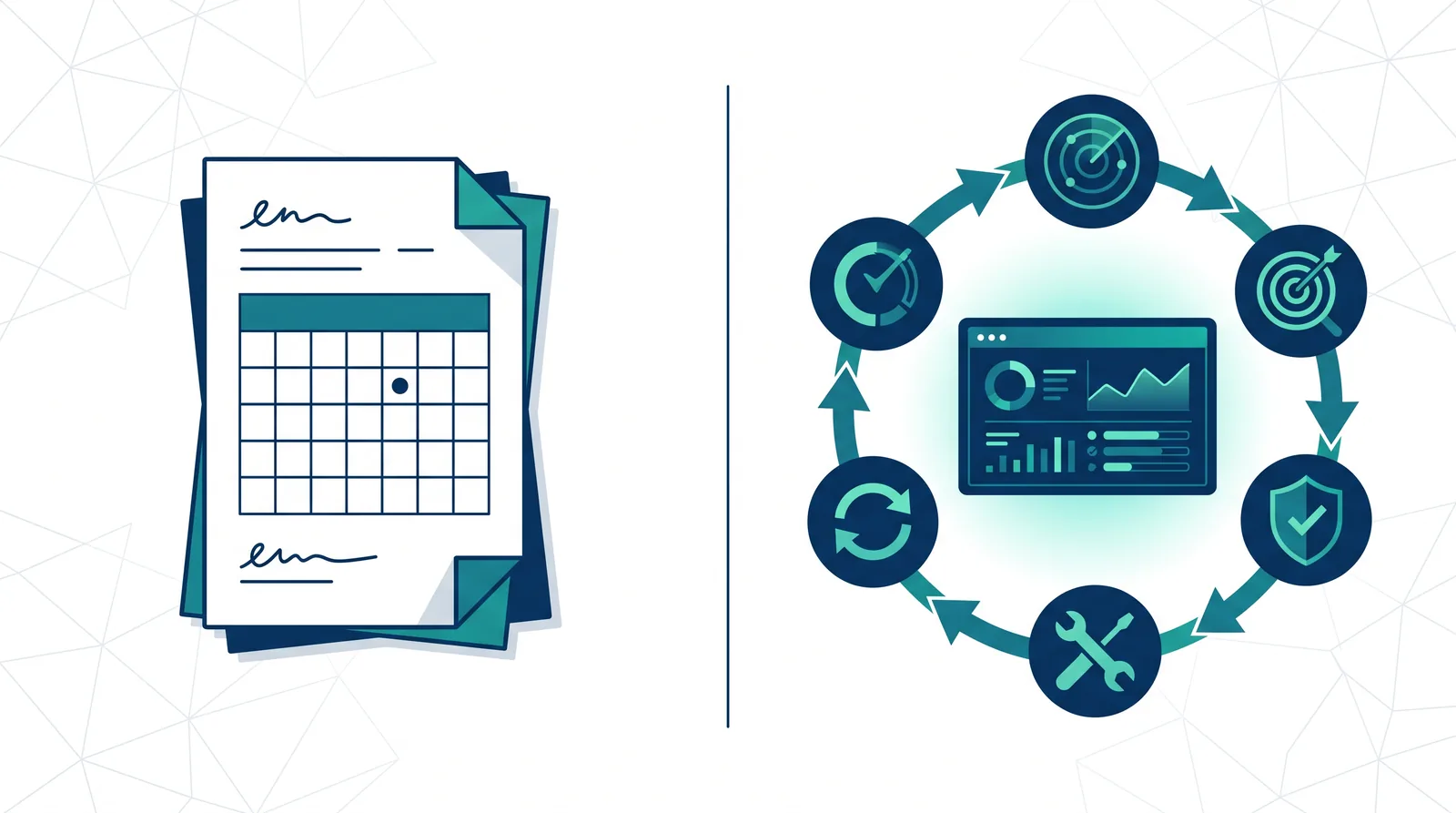
A single free test is a snapshot. If your external attack surface changes often, a subscription provides recurring coverage with retesting. Our comparison of PTaaS vs traditional penetration testing explains the options, and Privaxi's penetration testing as a service shows how recurring testing works.
Common Mistakes With Free Security Offers
- Assuming a free scan equals a penetration test.
- Testing assets you do not own or are not authorized to test.
- Ignoring findings because they came from a free tool.
- Handing over credentials or access unnecessarily.
- Using a free test as audit evidence without checking requirements.
- Never following up with a scoped test.
What a Free External Test Often Finds
- Forgotten subdomains and test systems left exposed.
- Administrative interfaces reachable from the internet.
- Outdated server software and missing security headers.
- Expired or weak TLS configurations.
- Remote access services without strong authentication.
- Cloud storage or services that are unintentionally public.
These are the issues attackers find first, which is why even a limited external test is worth acting on.
Free vs Paid Penetration Testing at a Glance
Privacy and Data Questions to Ask
- What information about my systems will you collect and store?
- How long do you retain test data and results?
- Who at your company can see the findings?
- Are findings shared with third parties or used for marketing?
- Can I request deletion after the engagement?
Frequently Asked Questions About a Free Penetration Test
Is there such a thing as a free pen test?
Yes. Some providers offer limited, free tests, usually of one external domain or IP. They are useful for finding obvious exposure and evaluating the provider, but they are narrower than a paid, scoped engagement.
What is the difference between a free vulnerability scan and a free pen test?
A scan automatically lists known weaknesses. A penetration test attempts to exploit weaknesses to show real impact, sometimes with human review. Free offers vary, so read what is actually included.
Is a free pen test enough for compliance?
Generally no. Frameworks such as PCI DSS and SOC 2 expect scoped, documented, independent testing with remediation evidence. A free test can support your preparation but rarely replaces the formal one.
Is it safe to run a free pen test on my website?
It can be if the provider verifies you own the target, signs rules of engagement and uses non-destructive methods. Be cautious about offers that skip authorization or ask for credentials.
How long does a free pen test take?
It depends on the provider. Some deliver a summary within about a day for a single external target.
What should I do after a free pen test?
Fix critical and high findings, verify results, document actions and use the findings to define a broader paid scope covering applications, internal networks and cloud.
Final Thoughts
A free penetration test is a useful first look, not a final verdict. Use it to find obvious exposure, test a provider's approach and build the case for deeper testing, and never treat a clean limited scan as proof of safety.
To try Privaxi's offer, request a free external pen test and talk to us about the right full scope.
Related Articles



Secure Your Business's Future
Contact us today for a personalized consultation and see how we can tailor a security solution that fits your business needs perfectly.
